
How Bakeries Can Merchandise Digital Scales for Better Sell-Through
Published by AWS Team on 22nd Oct 2026
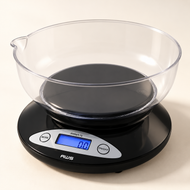
Bakeries can make digital scales easier to sell by connecting them to a familiar home-baking task. Display a suitable scale beside a mixing bowl, demonstrate tare and show customers how to follow a recipe using ingredient masses.
A product box explains less than a working setup. Customers need to see whether their bowl will fit, how much the scale can support and what the display increments mean.
For bakeries that sell baking tools, run classes or offer take-home kits, scales can become a useful part of the retail assortment. Start with a focused selection and measure results before expanding.
This guide explains how to organize the display, train staff and help customers choose equipment that fits their baking.
Give the Display a Specific Baking Purpose
Choose the customer task before selecting the display products.
A home baker preparing a small cake needs a different setup from someone weighing a heavy bread dough batch. Merchandise those differences clearly.
| Customer task | Display idea | Information to emphasize |
|---|---|---|
| Everyday recipe preparation | Scale with a mixing bowl | Capacity, readability and tare |
| Small ingredient additions | Compact scale with a suitable dish | Verified performance at intended loads |
| Larger bread batches | Larger vessel or comparison card | Combined load and platform fit |
| Baking classes | Demonstration unit beside recipe cards | Controls, units and instructions |
| Gifts for home bakers | Clearly described baking bundle | Exact contents and price |
Review wholesale kitchen scales as candidates for your core retail option. Confirm the exact model’s specifications and suitability for the task shown.
Avoid displaying several models that staff cannot distinguish in a short explanation.
Place Scales Near Relevant Products
Position scales beside products that make the application clear.
Useful locations include a baking-tool shelf, a class registration area or a display with flour, mixes and recipe cards.
Keep equipment away from exposed food, heat and busy production surfaces. The demonstration area needs a firm, stable base and enough room for the intended bowl.
A simple sign can introduce the product:
Bake from a measured recipe. Find a scale that fits your bowl and batch.
Show the selling price clearly. Keep packaged stock nearby so customers can identify what is available to purchase.
Use one dedicated demonstration unit instead of repeatedly opening saleable boxes.
Give Each Model a Clear Role
Organize the assortment around useful differences.
A practical display might contain a general preparation model and one alternative for a distinct need.
Selected pocket scales may serve a compact role for smaller quantities when their platform, capacity and checked performance fit the application. Confirm cleaning limitations and use an appropriate container.
Review bowl scales when an included container improves the customer’s preparation process. Demonstrate its usable volume and pouring behavior rather than relying on its appearance.
For customers needing heavier-load equipment, compare bench scales. These may be better presented through a sample or product card when demand does not justify substantial shelf space.
A larger capacity should be explained as a fit for heavier loads. It is not automatically a quality upgrade for every customer.
Make Shelf Labels Easy to Compare
Use the same information order on every product card.
| Label field | What to show |
|---|---|
| Capacity | Maximum total load |
| Readability | Smallest displayed increment |
| Platform dimensions | Usable space for the container |
| Units | Verified modes for the exact model |
| Power | Requirements and included components |
| Package contents | What the customer receives |
| Care | Relevant manufacturer instructions |
| Price | Clear retail selling price |
Put capacity and readability together. A customer comparing only one of those specifications may choose unsuitable equipment.
Explain Readability Accurately
A specification of 0.1g means the display changes in tenths of a gram. It does not independently establish accuracy within 0.1g.
The NIST mass-units reference provides background on grams and related metric units. Use consistent notation on shelf cards and recipes.
Staff should describe readability as the display increment. Accuracy and repeatability require separate evaluation.
Avoid unsupported wording such as “perfect precision” or “guaranteed baking success.” The FTC’s small-business advertising guidance explains that claims must be truthful, nondeceptive and supported. Apply that principle to signs, demonstrations and product pages.
Demonstrate Tare With a Familiar Bowl
Tare is a useful starting point because customers can see its purpose immediately.
Use a clean, store-owned bowl and a suitable demonstration material. Follow the model’s operating instructions.
A short demonstration can show:
-
Place the scale on a stable surface.
-
Confirm the selected unit.
-
Position the empty bowl securely.
-
Tare the display.
-
Add the demonstration material.
-
Allow the indication to settle.
Explain that the bowl still contributes to the physical load after the display reads zero.
For example, a hypothetical 900g bowl and 2,000g of ingredients create a combined load of 2,900g.
Check the full load against the model’s capacity. Leave practical headroom for the customer’s normal variations.
Use Recipe Cards to Connect the Product to Baking
A recipe card gives the scale a clear purpose beyond the display.
Choose a recipe your team has tested and present ingredient masses consistently. Include preparation and baking instructions rather than assuming weighing alone determines the result.
If the demonstration uses cumulative additions, show the running targets accurately.
For example, a hypothetical sequence could be:
| Addition | Ingredient mass | Cumulative target |
|---|---|---|
| Flour | 500g | 500g |
| Sugar | 200g | 700g |
| Butter | 250g | 950g |
This table illustrates cumulative weighing, not a complete recipe.
If staff instead tare between additions, explain that method clearly. Mixing the two approaches during a demonstration can confuse the customer.
Give shoppers a way to access the correct product instructions alongside the recipe.
Let Customers Check Bowl Fit
A scale may have sufficient capacity while being awkward with a particular bowl.
Show the product with a realistic container and confirm that:
-
The bowl sits securely.
-
The display remains visible.
-
Controls are accessible.
-
The container touches no other support.
-
The complete recipe fits within capacity.
Use product photographs that show scale and vessel proportions accurately.
A customer who understands fit before purchase is better equipped to choose the right model. Track returns related to blocked displays, platform size or insufficient capacity to improve future recommendations.
Keep the Demonstration Unit Ready
Assign responsibility for checking the retail display.
| Check | Purpose |
|---|---|
| Power condition | Keep the unit available |
| Clean platform and housing | Support normal operation |
| Stable surface | Reduce movement during use |
| Visible unit symbol | Avoid confusing measurements |
| Suitable reference check | Monitor performance |
| Accessible instructions | Support staff explanations |
Use appropriate reference weights and a defined checking procedure. Reweighing an unknown bowl of ingredients can show consistency, but it does not independently establish accuracy.
NIST’s guidance on controlling calibration results discusses monitoring short-term and long-term measurement variation. Recorded checks help identify changes requiring investigation.
Follow the manufacturer’s cleaning instructions. A metal platform does not establish that the complete instrument can be washed down.
Build Bundles Around Useful Components
A baking bundle should help the customer complete a task.
Possible combinations include a scale, a tested recipe card and compatible baking tools or packaged ingredients.
Review weighing scale accessories and confirm availability and compatibility before including adapters or other components.
Describe every included item. Keep styling props and optional accessories separate from the advertised contents.
Offer a standalone scale for customers who already own the other products.
If you advertise a bundle saving, use a genuine, supportable comparison with individual selling prices. Evaluate contribution after product costs, packaging, payment fees and expected returns.
A larger basket does not automatically produce greater profit.
Use Classes to Support Product Education
Baking classes provide a natural setting for demonstrating scales.
Use the same model shown in the retail area, where it fits the lesson. Teach unit selection, tare, capacity and basic care as part of preparation.
At the end, make product information available without interrupting the class experience.
Useful follow-up content includes:
-
A model-specific setup video.
-
A photograph showing bowl fit.
-
A recipe using clearly stated mass units.
-
A comparison of available models.
-
Care guidance consistent with the manual.
Track class-related purchases separately if you want to evaluate this channel. Account for discounts or bundled class offers when interpreting results.
Make Warranty and Returns Information Clear
Customers should know where to get help before buying.
Prepare a staff reference identifying the warranty provider, applicable written terms, claim process and your separate retail return policy.
The FTC’s guide to federal warranty law discusses written consumer warranties and applicable pre-sale availability requirements. Make relevant terms accessible before purchase.
Do not promise coverage beyond the terms your business can honor.
Record recurring questions and return reasons. They may reveal a missing explanation on the shelf card or a model that does not fit your customers’ needs.
Separate Retail Demonstrations From Operational Weighing
Keep your demonstration unit separate from equipment used to determine selling prices or verify packaged quantities.
The NIST weighing and scales FAQs provide background on commercial weighing requirements. Fine readability and a calibration function do not establish legal-for-trade suitability. Verify the exact model and requirements for the intended use.
For packaged bakery products, establish an appropriate net-content checking procedure addressing packaging tare and variation.
NIST’s packaging and labeling resources provide background on package quantity and labeling practices. These operational needs should be evaluated separately from home-baking merchandise.
Measure Sell-Through Consistently
Record a baseline before changing the display.
Track sales by model alongside stock availability, customer traffic and promotions.
| Measure | What it helps evaluate |
|---|---|
| Units sold by SKU | Demand for each model |
| Unit sell-through | Movement of available stock |
| Demonstrations followed by purchases | Usefulness of the interaction |
| Bundle attachment rate | Relevance of the combined offer |
| Returns and support questions | Product fit and explanation quality |
| Contribution after direct costs | Commercial value |
For a simple period with no replenishment, selling eight units from 20 available units represents 40% unit sell-through.
Use a consistent method when deliveries arrive during the period. Account for stockouts and promotional activity before attributing changes to merchandising.
Test one major change at a time where practical, such as display placement or the comparison card.
Frequently Asked Questions
Where should bakeries display digital scales?
Place them near baking tools, take-home kits or class materials, with a stable demonstration area and clear pricing.
How many models should be stocked?
Start with a focused selection whose differences are easy to explain. Expand when customer demand supports another role.
What is the most useful demonstration?
Show unit selection, bowl placement and tare, then explain how the complete load affects capacity.
Should scales be bundled with baking ingredients?
Test clearly described bundles that fit a practical task. Keep standalone options and review contribution after costs.
Can a scale guarantee better baking results?
A scale supports measured preparation. Results also depend on the recipe, ingredients, technique and baking conditions.
Create a More Useful Bakery Scale Display
Choose products with clear roles, demonstrate them with realistic bowls and make specifications easy to compare. Use sales, returns and customer questions to refine the offer.
Explore American Weigh Wholesale to compare available categories and request current specifications, pricing and ordering terms. The site advertises volume pricing and reseller support; confirm the details for your proposed order.