
Wholesale Digital Scales for Jewelry Stores: A Buyer’s Guide
Published by AWS Team on 17th Oct 2026
Choosing wholesale digital scales for jewelry stores starts with separating equipment for resale from equipment used in your own transactions and workshop. These purchases can involve different performance, documentation and approval requirements.
A customer weighing hobby components may need a portable instrument. A store determining a purchase price from precious-metal mass needs equipment suitable for that commercial purpose. Gemstone work introduces another set of measurement requirements.
The right wholesale order combines suitable models, clear specifications and support that matches how the equipment will be used.
Define the Purpose Before Comparing Models
Write down the task for each proposed purchase.
| Intended use | Main purchasing questions |
|---|---|
| Scales for customer resale | Which tasks, price points and features do buyers need? |
| Workshop component checks | What quantities and tolerances are involved? |
| Gemstone mass records | What is the smallest stone and required uncertainty? |
| Grouped inventory checks | How heavy are the contents and container? |
| Buying or selling by weight | What commercial equipment requirements apply? |
Avoid using one general description such as “jewelry scale” for every task.
Separate Mass From Other Jewelry Characteristics
Weighing can contribute to inventory records, preparation and assessment. It does not independently establish metal purity, gemstone quality or authenticity.
Keep those distinctions clear when selecting products and writing descriptions.
Capacity: Include the Holder and Container
Capacity applies to everything supported by the platform.
A tray, dish, pouch or holder contributes to the physical load alongside the jewelry. Tare changes the displayed reference but does not increase capacity.
Consider these hypothetical examples:
| Container | Jewelry or components | Combined load |
|---|---|---|
| 10g | 25g | 35g |
| 30g | 150g | 180g |
| 100g | 450g | 550g |
A model with a 500g limit cannot accommodate the final example.
Leave headroom for additions and handling. A scale operating at its absolute limit gives little room for a heavier container or an extra item.
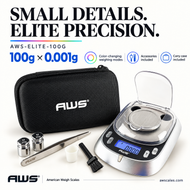
For portable formats, start with the wholesale pocket scale collection and compare exact specifications.
Readability: Match the Increment to the Task
Readability describes the smallest displayed increment.
A hundredth of a gram equals 10mg, while a thousandth equals 1mg. NIST’s guide to mass units provides background on metric mass measurement.
| Example readability | Equivalent increment | Purchasing implication |
|---|---|---|
| 0.1g | 100mg | Coarser display for tasks allowing larger increments |
| 0.01g | 10mg | Finer display for suitable small-item tasks |
| 0.001g | 1mg | Candidate for finer work, subject to verified performance |
These are display relationships, not accuracy guarantees or minimum reliable sample weights.
Gemstone Tasks Need Particular Attention
For small stones, a modest absolute error can represent a significant proportion of the sample.
Review wholesale milligram scales when finer increments are needed, then evaluate the exact model’s performance against your tolerance.
A carat mode or additional decimal place does not automatically establish suitability for every gemstone measurement.
Verify Units Before Ordering
Jewelry workflows may use grams, carats, troy ounces or pennyweights.
Confirm the available modes for the exact model. Do not assume every scale from the same series offers the same units.
Staff should distinguish:
-
Carats, a unit of gemstone mass, from karat descriptions of gold fineness.
-
Ordinary ounces from troy ounces.
-
Grams from grains.
Record the unit alongside each result. If supplier descriptions conflict, obtain clarification before buying or publishing the specification.
Understand Accuracy and Repeatability
A specification such as “500g × 0.01g” describes capacity and readability. It does not establish accuracy within ±0.01g across the full range.
| Term | What it tells the buyer |
|---|---|
| Readability | Smallest displayed increment |
| Repeatability | Agreement between repeated measurements |
| Indication error | Difference between a reading and a reference value |
| Measurement uncertainty | Dispersion associated with the measurement result |
Request published performance information and identify what evidence is missing.
For demanding work, select equipment based on the allowed error and verified performance near your working loads.
Check Commercial Weighing Requirements
If your store uses mass to determine a buying or selling price, verify the applicable equipment requirements before purchasing.
NIST’s weighing and scales FAQs provide background on commercial weighing. Fine readability and a user calibration function do not establish legal-for-trade approval.
Confirm the exact model and configuration with the relevant authority where needed.
A portable product suitable for resale or nontransactional checks should not automatically become your transaction instrument.
Evaluate Platform and Container Fit
A suitable numerical range is not enough if the object cannot sit securely.
Review platform size, tray placement and display visibility. Ensure the container touches no stationary housing, countertop or surrounding object.
For suitable container-based applications, assess wholesale bowl scales. For larger supported loads, review wholesale bench scales.
Verify individual performance and approval requirements separately from the physical format.
Protect Delicate Objects
Use appropriate clean holders when needed and account for their mass.
Avoid letting chains hang beyond the supported area or touch another surface. External support can divert part of the load away from the weighing mechanism.
Review Samples Before a Bulk Order
A sample lets you evaluate handling, instructions and product identity before committing to volume.
Check:
-
Exact model and configuration.
-
Unit selection.
-
Display visibility.
-
Platform and holder fit.
-
Power requirements.
-
Included accessories.
-
Instructions.
-
Reference measurements against your criteria.
NIST’s calibration overview explains how instrument indications relate to reference values. Some consumer calibration routines also adjust the instrument’s response.
Follow the exact model’s procedure rather than assuming the required calibration mass equals capacity.
Confirm Calibration and Traceability Documentation
Ask what the supplier provides with each unit.
An included weight, factory adjustment and individual calibration certificate are different deliverables.
NIST’s metrological traceability guidance explains the documented calibration chain connecting measurement results to a reference. A printed nominal value does not establish certified traceability.
Where needed, specify certificate content, working-range coverage and measurement uncertainty in the quotation.
Plan Routine Checks
Choose appropriate reference masses near the loads normally measured. Repeat checks and record zero return and observed results.
NIST’s guidance on check standards describes monitoring measurement performance over time.
Define what happens when a check fails, especially for equipment used in store decisions.
Build a Resale Assortment With Clear Differences
For customer-facing inventory, each model should have a practical role.
Possible roles include a portable option, a finer-reading option and a higher-capacity option. Avoid stocking several similar products without a clear reason.
Train staff to ask about the customer’s complete load and required measurement tolerance.
Do not describe the most expensive model as automatically the most accurate.
Compare Landed Cost and Support Costs
Calculate acquisition cost after freight and required accessories.
Landed cost per unit = applicable product and delivery costs ÷ units received
For resale, evaluate selling price alongside payment fees, promotions, returns and staff support.
For equipment used internally, include calibration, service, reference standards and downtime.
Confirm Volume Terms
Ask whether discounts apply by SKU, case quantity or mixed-order total.
American Weigh Wholesale advertises volume pricing and reseller support. Request a written quote for your exact assortment and quantities.
A lower unit price does not justify buying stock that is unlikely to sell within a reasonable period.
Order Accessories by Exact Model
Review weighing scale accessories and confirm compatibility before adding them to an order.
Check adapter specifications, tray fit and required calibration masses. Clarify which items are included and which are optional.
For bundles, calculate the complete cost and keep documentation claims consistent with what the customer receives.
Confirm Warranty and Receiving Procedures
Obtain the written terms covering damaged deliveries, missing items, suspected defects and consumer warranty claims.
Clarify authorization, freight responsibilities and available remedies.
On arrival:
-
Reconcile quantities against the order.
-
Check exact model numbers.
-
Inspect packaging condition.
-
Verify contents of selected units.
-
Perform agreed acceptance checks.
-
Document discrepancies promptly.
Keep affected products separate until the supplier resolves the issue.
Wholesale Jewelry Scale Buying Checklist
Before ordering, confirm:
| Requirement | Evidence to obtain |
|---|---|
| Intended use | Resale, workshop, gemstone work or transaction |
| Performance | Suitable range, increment and verified capability |
| Units | Modes for the exact model |
| Physical fit | Platform and container compatibility |
| Commercial status | Applicable approval documentation |
| Calibration | Procedure and required records |
| Contents | Batteries, trays, weights and adapters |
| Pricing | Delivered cost and quantity terms |
| Support | Warranty, returns and repair process |
| Replenishment | Availability and lead time |
Frequently Asked Questions
What readability should a jewelry store choose?
Base it on the smallest quantity and allowed error. Readability alone does not establish measurement suitability.
Does carat mode mean a scale is suitable for gemstones?
No. The instrument’s performance must meet the task’s tolerance.
Can a pocket scale be used to buy gold by weight?
Verify applicable commercial requirements and exact model approval before using it for transactions.
Are calibration weights included with wholesale jewelry scales?
Contents vary. Confirm the required mass, supplied accessories and documentation.
Should a store buy the same scale for resale and internal use?
Only if the model independently meets both sets of requirements. The purposes may call for different equipment.
Choose Wholesale Scales Around the Actual Task
Separate resale inventory from internal equipment, define the required performance and request documentation for the exact models.
Explore American Weigh Wholesale to identify candidate products, then request a quote covering quantities, accessories, calibration requirements and support.